Ocean-Inspired Colors: How To Harness The Serenity Of The Sea In Your Design
Have you ever wondered why a simple glimpse of the ocean or a view of a tropical lagoon can instantly make you feel more calm, focused, or even creatively inspired? The secret isn't just in the vastness of the water; it's encoded in the ocean-inspired colors themselves. From the deepest navy blues to the softest seafoam greens, this natural palette holds a unique power to transform our emotions and the spaces we inhabit. This comprehensive guide dives deep into the world of ocean hues, exploring their psychological impact, practical applications in design and fashion, and how you can masterfully weave this serene spectrum into your life for stunning, meaningful results.
The Psychology of the Deep: Why Ocean Colors Captivate Us
The Science of Serenity: How Blue and Green Tones Affect the Mind
Our profound connection to ocean-inspired colors is rooted in both evolution and psychology. Biologically, humans have an innate response to blue and green wavelengths of light, which are abundant in natural, thriving environments like forests and, of course, the sea. This is often referred to as the biophilic design principle—our inherent tendency to seek connections with nature. Studies in environmental psychology have consistently shown that exposure to blue environments can lower heart rate, reduce stress hormones like cortisol, and promote a state of relaxed alertness. Green, its close neighbor on the color wheel, is associated with balance, restoration, and harmony. When combined in the myriad ways the ocean presents them, these colors create a potent cocktail for mental well-being, explaining why a room painted in a soft aqua or a view of the horizon can feel so restorative.
From Calm to Energy: The Emotional Spectrum of the Sea
It's a common misconception that all ocean-inspired colors are purely tranquil. In reality, the ocean's palette is a dynamic emotional spectrum. The deep, mysterious abyssal blues of the trench evoke feelings of introspection, luxury, and authority—think of a powerful navy suit or a dramatic midnight blue accent wall. Conversely, the bright, vibrant turquoise and cerulean of tropical shallows pulse with energy, joy, and playfulness, reminiscent of sun-drenched Caribbean beaches. The muted, stormy grays and slate blues of a choppy northern sea convey sophistication, resilience, and quiet contemplation. Understanding these nuances allows you to select not just a "blue," but the precise emotional tone you wish to create, whether it's the soothing lull of a bedroom or the invigorating splash of a home office.
Cultural and Historical Ties to the Water
Beyond psychology, ocean-inspired colors carry rich cultural weight. In many ancient societies, blue pigments like Egyptian blue or lapis lazuli were rare and precious, symbolizing divinity, truth, and protection. The color has long been associated with stability and depth—think of the "blue chip" in poker or the "blue blood" of nobility. In maritime cultures, specific shades told stories: the murky green-brown of harbor waters spoke of trade and industry, while the crystalline azure of distant islands represented paradise and the unknown. Today, these historical layers add depth and narrative potential to your use of these colors, allowing them to transcend mere decoration and become part of a larger story.
Navigating the Palette: Key Ocean Color Families
The Deep Sea Collection: Navy, Indigo, and Midnight Blue
This is the realm of depth, mystery, and timeless elegance. Navy blue is the workhorse of this family—a dark, saturated blue with a hint of black, making it incredibly versatile and sophisticated. It pairs flawlessly with crisp whites for a classic nautical look, with warm golds and brasses for opulent drama, or with soft grays for modern minimalism. Indigo, with its slight purple undertone, adds a spiritual, bohemian, or vintage feel. Midnight blue is even darker, verging on black but with a celestial quality, perfect for creating dramatic, cozy, and intimate spaces. A pro tip: use these deep shades as anchor colors—on a feature wall, a large sofa, or cabinetry—to ground a room and add a sense of permanence and security.
The Coastal Collection: Aqua, Seafoam, and Teal
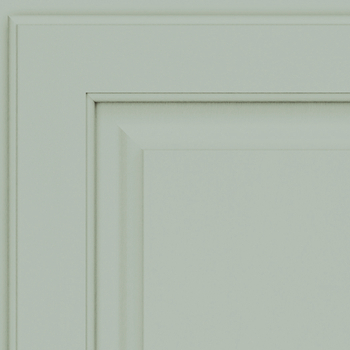
These are the colors of sunlit, shallow waters where light dances and reflects off sandy bottoms. Aqua is a bright, clean blue-green, evoking tropical lagoons and pure, refreshing water. Seafoam or foam green is softer, more muted, with a grayish undertone, mimicking the frothy edges of waves. Teal sits between blue and green, a rich, saturated hue that feels both earthy and aquatic. This collection is inherently fresh, clean, and revitalizing. It works beautifully in bathrooms, kitchens, and nurseries, or as accent colors through throw pillows, ceramics, and artwork. To avoid a theme-park feel, balance these brighter coastal hues with plenty of neutral textures like linen, jute, raw wood, and white.
The Shoreline Collection: Sand, Beige, and Stone
No ocean-inspired palette is complete without its earthy counterparts. These are the colors of the beach itself: warm sand, cool taupe, driftwood gray, and sun-bleached stone. They provide the essential neutral foundation that allows the blues and greens to shine without overwhelming the senses. These tones are the ultimate in versatility and warmth. A sand-colored sofa or a taupe rug creates a serene, blank canvas. Incorporate them through natural materials—jute rugs, seagrass baskets, linen curtains, and stone accessories. They add texture, warmth, and a sense of grounding, making your space feel collected and organic rather than decorated.
The Stormy Sea Collection: Slate, Charcoal, and Mist
For a more moody, sophisticated, and contemporary take, look to the ocean under a cloudy sky. Slate blue is a grayish-blue with a cool, mineral feel. Charcoal gray with a blue undertone is powerful and modern. Misty gray or foggy blue is ethereal and soft. This collection brings depth, complexity, and urban edge to a scheme. It's perfect for creating a serene yet serious study, a cozy reading nook, or a sleek, modern living room. These colors pair exceptionally well with warm brass or black metal accents for contrast, and with natural wood to soften their coolness. They demonstrate that ocean-inspired design is not always about sunny vacations; it can also be about the profound, quiet power of the sea.
Practical Applications: Bringing the Ocean Into Your World
Interior Design: Creating a Cohesive Coastal or Nautical Home
The key to successful ocean-inspired interior design is curation, not cliché. Avoid the literal anchor-and-starfish trap. Instead, think in terms of mood, texture, and subtle reference. Start with your foundational shoreline neutrals on large surfaces—walls, floors, major furniture. Then, layer in your chosen ocean hue family as an accent color. A teal velvet armchair, a navy blue painted ceiling (a stunning, unexpected move), or seafoam green velvet cushions can be powerful focal points. Texture is your best friend: think shaggy wool (like sea kelp), smooth polished stone (like water-worn pebbles), rough-hewn wood (like driftwood), and crisp, sheer linen (like sea spray). Artwork is crucial—choose abstract pieces with blue-green washes, or serene seascapes in muted tones. Lighting should be soft and layered, mimicking the diffuse glow of an overcast day or the warm flicker of candlelight on water.
Fashion and Personal Style: Wearing the Waters
Your wardrobe is a personal canvas for ocean-inspired colors. A classic navy blazer or jeans is a timeless staple that conveys reliability and polish. A teal silk scarf or aqua sweater can brighten a neutral outfit instantly. For a softer look, seafoam green blouses or stone-colored trousers offer effortless elegance. Jewelry plays a role too: silver (like moonlight on water), turquoise stones (directly from the sea), and driftwood-inspired wood pieces complete the look. The beauty of this palette in fashion is its trans-seasonal nature—these colors work in summer and winter alike. A tip for building a capsule wardrobe: invest in high-quality basics in your chosen ocean neutrals (navy, charcoal, sand) and use brighter ocean accents as statement pieces that can be mixed and matched.
Graphic Design and Branding: Conveying Trust and Clarity
In the digital realm, ocean-inspired colors are a strategic choice for brands wanting to project specific values. Blues are the most trusted color in marketing, associated with security, professionalism, and intelligence (think Facebook, IBM, Samsung). Teals and turquoises suggest creativity, clarity, and a modern, approachable vibe (often used by tech and wellness brands). Aquas feel fresh, clean, and eco-friendly, perfect for health, beauty, and sustainability brands. When using these colors, consider contrast and accessibility. A dark navy with bright white text is highly legible. A soft seafoam may need a darker text color for readability. The goal is to harness the inherent emotional resonance of the color to align with your brand's message—whether that's the depth and stability of a financial institution or the fresh, innovative spirit of a startup.
Culinary and Event Design: Setting the Table with the Sea
The influence of ocean-inspired colors extends to experiences. In event design, a palette of navy, gold, and white screams elegant maritime gala. A palette of aqua, coral, and sand is perfect for a beach wedding or tropical-themed party. Use these colors in linens, glassware, lighting gels, and floral arrangements (think blue hydrangeas, white roses, and greenery). In culinary presentation, the colors on your plate can evoke the sea. Use natural garnishes like microgreens (for seagrass), edible flowers in soft blues and purples, or even naturally blue foods like butterfly pea flower tea (which turns drinks a stunning indigo) or blue potatoes. Even the choice of plating—a slate gray board, a white ceramic dish, or a rough wooden slab—contributes to the overall oceanic narrative. It’s about creating a holistic sensory experience where color tells a story before the first bite.
Actionable Tips for Mastering Ocean-Inspired Color Schemes
The 60-30-10 Rule: Your Golden Ratio
This interior design principle is your best friend for avoiding a messy, over-the-themed space. Apply it to your ocean-inspired color scheme: 60% of your room should be your dominant neutral (your shoreline colors—sand, stone, white, or a light gray). This is your walls, large furniture, and floor. 30% should be your secondary color—your primary ocean hue (navy, teal, aqua). This is your upholstery, rugs, or window treatments. 10% is your accent color—this can be a brighter pop of turquoise, a metallic like brass or nickel (for sunlight on waves), or a complementary warm tone like coral or terracotta (for a touch of sunset or marine life). This ratio creates balance, depth, and visual interest without chaos.
Testing is Non-Negotiable: The Paint Swatch Reality Check
Never, ever choose a paint color based solely on a tiny swatch or a digital screen. The lighting in your specific space will dramatically alter how an ocean-inspired color looks. A seafoam green in a north-facing room with cool light will read much bluer and grayer than in a south-facing room bathed in warm, yellow sunlight. Buy sample pots and paint large swatches (at least 2x3 feet) on multiple walls. Observe them at different times of day—morning, noon, and evening. See how they look under your artificial lighting at night. This 24-hour test is crucial for finding the exact shade of blue or green that will sing in your home, not fight with its light.
Texture and Material: The Secret Weapons
Color alone can feel flat. The magic of an authentic ocean-inspired space lies in the interplay of color and tactile texture. Pair a smooth, glossy navy blue lacquer cabinet with a rough, natural jute rug. Drape a soft, chunky knit seafoam green throw over a sleek leather sofa in charcoal gray. Use ribbed glass vases (like sea glass), hammered metal accents (like weathered ship fittings), and woven seagrass baskets. These material contrasts mimic the ocean's own textures—the smooth wet stone, the rough barnacle-covered rock, the soft foam, the shimmering water. They add richness, warmth, and authenticity that color alone cannot achieve.
Avoiding the "Theme Park" Pitfall: Subtlety is Key
The biggest mistake with ocean-inspired colors is being too literal. A room that looks like a pirate ship or a Disney ride is not sophisticated. The goal is to capture the feeling and essence of the ocean, not to replicate its decor. Instead of painting walls with giant murals of fish, use a muted slate blue on the walls and hang a single, beautiful, abstract painting with hints of cerulean and sand. Instead of using rope everywhere, incorporate natural fiber rugs and wooden furniture with curved, wave-like silhouettes. Choose art and objects that suggest the sea—a ceramic vase with a glazed, watery drip, a sculpture of smooth, eroded forms, a landscape photograph of a misty coastline. Implied narrative is always more powerful and enduring than explicit imagery.
Sustainability and the Ocean: A Color with a Cause
The Environmental Message in Your Palette
Choosing ocean-inspired colors can be more than an aesthetic decision; it can be an act of awareness and advocacy. The very blues and greens we cherish are under threat from pollution, warming, and acidification. By consciously creating beautiful spaces with these colors, we keep the image of a healthy, vibrant ocean in our daily lives. This connection can inspire more sustainable choices: selecting low-VOC or zero-VOC paints to prevent harmful chemicals from entering waterways, choosing natural and organic textiles (organic cotton, linen, hemp) dyed with non-toxic, plant-based pigments, and supporting brands and artisans who use sustainable materials like recycled glass (for a sea glass effect) and reclaimed wood (driftwood alternatives). Your design choices can reflect a commitment to preserving the source of your inspiration.
Ethical Sourcing of Oceanic Materials
If you incorporate literal oceanic elements—like actual coral, shells, or sea glass—it is paramount to source them ethically. Harvesting live coral is devastating to fragile reef ecosystems. Collecting shells from protected beaches is often illegal and disrupts local habitats. Always ask: Is this material sustainably and legally obtained? Opt for recycled sea glass (tumbled by machines from broken bottles), ethically sourced fossilized coral (from ancient, non-living deposits), or high-quality replicas made from resin or ceramic. The most beautiful tribute to the ocean is one that does no harm to its current inhabitants. Let your love for its colors translate into respect for its living systems.
Conclusion: Dive Into Your Own Ocean
The allure of ocean-inspired colors is no accident. It is a powerful, primal draw to the world's most essential element, translated into a spectrum of shade and feeling. From the psychologically soothing depths of navy to the visually energizing pop of aqua, from the grounding warmth of sand to the moody sophistication of slate, this palette offers a tool for emotional architecture as much as visual design. By understanding the nuances of each hue, applying the principles of balance and texture, and approaching the theme with subtlety and intention, you can move beyond cliché to create spaces, styles, and brands that feel authentically connected to the sea's timeless spirit.
So, the next time you feel that pull toward a shade of blue or green, ask yourself: which part of the ocean are you seeking to bring into your world? The calm lagoon, the stormy horizon, the deep, mysterious trench, or the sun-drenched shore? The answer lies in your hands, your brushes, and your vision. Dive in.