Tropical Print Outfit: Your Ultimate Guide To Nailing The Vibrant Look
Ever stared longingly at a stunning tropical print outfit on Instagram or in a magazine, wondering how to make that vibrant, vacation-ready style work for your real-life wardrobe? You're not alone. The allure of lush palm leaves, exotic flowers, and bold fauna is undeniable, promising an instant mood boost and a dash of adventure. But translating that bold print from a resort runway to your daily commute or weekend brunch can feel daunting. How do you style it without looking costume-y? What pieces are worth the investment? This comprehensive guide decodes the tropical print outfit, transforming you from a hesitant admirer into a confident style architect. We’ll explore its history, master the art of styling for every body type and occasion, and arm you with practical tips to wear these exuberant patterns with effortless cool.
What Exactly is a Tropical Print Outfit?
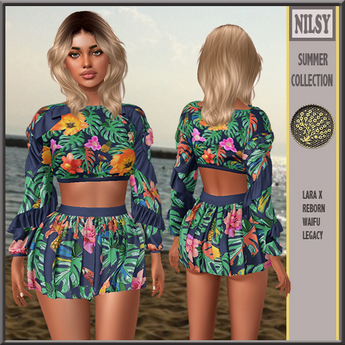
A tropical print outfit is any garment or ensemble featuring motifs inspired by the flora, fauna, and landscapes of tropical regions. Think beyond just palm trees. This umbrella term encompasses a vast spectrum of designs, from realistic, detailed hibiscus blossoms and monstera leaves to stylized, abstract interpretations of pineapples, flamingos, toucans, and even coral reefs. The color palette is equally diverse, ranging from vibrant, high-contrast combinations like hot pink and electric green to softer, sun-bleached hues of aqua, coral, and sand. It’s a print that inherently carries connotations of leisure, escape, and bold self-expression.
The magic of a tropical print outfit lies in its transformative power. A simple cotton shirt splashed with a parrot print can instantly elevate a pair of basic jeans from mundane to memorable. A flowing maxi dress in a subtle tropical leaf print feels simultaneously elegant and relaxed. The print itself does the talking, meaning you can often keep accessories minimal and let the garment be the star. However, this power comes with a responsibility: understanding balance. The goal is to look like you’ve effortlessly channeled island chic, not like you’re wearing a costume to a luau.
The Rich History and Cultural Significance Behind Tropical Prints
To truly appreciate the tropical print outfit, we must journey back in time. The fascination with tropical motifs in Western fashion isn't new; it has deep roots in colonial exploration and exoticism. In the 18th and 19th centuries, European explorers and botanists returned from the tropics with sketches of unknown plants and animals. These images were romanticized and disseminated through textiles, particularly in chintz fabrics from India, which featured dense, floral patterns that eventually influenced European textile design.
The trend exploded in the mid-20th century, becoming synonymous with the rise of mass tourism and the jet-set lifestyle. Post-World War II, airlines like Pan Am promoted Hawaii and the Caribbean as exotic getaways. Designers like Christian Dior and Elsa Schiaparelli incorporated tropical motifs into their collections, but it was the Hawaiian shirt (or Aloha shirt) that truly democratized the look. Originally crafted by Japanese and Filipino immigrants in Hawaii using vibrant, patterned fabrics, it became a symbol of casual, carefree living. Hollywood stars like Frank Sinatra and Elvis Presley were photographed wearing them, cementing the tropical print as a global icon of relaxation.
Today, the conversation around tropical prints is evolving. There’s a growing awareness of cultural appropriation versus appreciation. The most respectful approach is to understand the origins of specific motifs. For instance, the bold, graphic prints of tapa cloth from Polynesia or the intricate batik techniques of Indonesia carry deep cultural significance. When wearing a tropical print, consider supporting designers from these regions or brands that collaborate ethically with indigenous artisans. This mindful consumption adds a layer of depth and respect to your style choice.
How to Style Tropical Prints for Every Body Type
One of the biggest myths about bold prints like tropical patterns is that they’re "unflattering" for certain body shapes. This is absolutely false. The key is strategic placement and scale.
- For Petite Frames: Opt for smaller-scale prints and avoid overly large, overwhelming motifs that can visually shorten your silhouette. A tropical print wrap dress or a blouse with a delicate leaf pattern works wonders. Vertical lines within the print (like a tall palm trunk) can create a lengthening effect. Keep hemlines above the knee or at a mini length to maintain proportion.
- For Curvy or Plus-Size Figures: Embrace medium to large-scale prints. Bold, confident prints can be incredibly flattering, drawing the eye and creating a striking silhouette. Look for dark base colors (like navy or forest green) with vibrant tropical accents, as the darker foundation is inherently slimming. A-line silhouettes, wrap styles, and outfits with strategic ruching or draping in the print areas are your best friends. The print will highlight your curves in the best possible way.
- For Tall Frames: You have the luxury of experimenting with all print scales. Oversized tropical prints on a maxi dress or a wide-leg jumpsuit can look incredibly dramatic and elegant. You can also play with mixing prints more boldly, as your height provides a grand canvas. Avoid prints that get lost; choose ones with enough contrast and detail to be appreciated.
- Universal Tip: The "Top or Bottom" Rule. If you're new to tropical prints, start by incorporating them into one piece only. A tropical print skirt paired with a solid-color top, or a tropical print shirt with neutral trousers, is a foolproof way to ease into the trend. This creates a focal point and prevents visual overload. As you gain confidence, you can experiment with a matching set or a full dress.
Mastering the Occasion: From Beach Day to Boardroom
The versatility of a tropical print outfit is its superpower. The same vibrant shirt can be styled for a myriad of settings.
- Casual Weekend & Vacations: This is the natural habitat for tropical prints. Pair a tropical print t-shirt or tank top with denim shorts, linen trousers, or a simple skirt. For a full vacation look, a tropical print sarong or cover-up over a swimsuit is effortless. Footwear can be sandals, flip-flops, or clean white sneakers. Accessorize with straw bags, woven hats, and minimal jewelry.
- Smart Casual & Workwear: Yes, you can wear tropical prints to the office (depending on your workplace culture). The secret is in fabric and scale. Choose prints on more structured fabrics like poplin, silk, or high-quality cotton. Opt for subtle, sophisticated prints—think small, tone-on-tone leaves or abstract botanical patterns in a muted color palette. A tropical print blouse tucked into tailored trousers or a sleek pencil skirt is a perfect example. Keep the rest of your outfit neutral and polished.
- Evening & Formal Events: For a night out or a summer wedding, a tropical print maxi dress or a jumpsuit in a luxe fabric like silk, satin, or chiffon is a showstopper. Look for designs with elegant draping, a flattering neckline, or a cinched waist. Pair with strappy heels, a clutch, and statement earrings. The print provides all the drama you need, so let your accessories be simple and complementary.
- Festivals & Creative Settings: This is where you can go wild. Mix and match tropical prints with other patterns like stripes or polka dots (the "print clashing" trend). Layer a tropical print shirt over a mesh top or under a denim jacket. Play with bold accessories—colored hair clips, body chains, and platform shoes.
Fabric, Fit, and Quality: The Non-Negotiable Foundation
A cheap, clingy, see-through tropical print shirt will look terrible, regardless of how you style it. Fabric and fit are paramount. When shopping, prioritize natural and high-quality blended fabrics.
- Cotton & Linen: Ideal for hot weather, breathable, and casual. They have a relaxed, lived-in feel perfect for daywear.
- Silk & Satin: Instantly elevates the print, making it suitable for evening wear. They drape beautifully and feel luxurious.
- Viscose/Rayon: Often used for flowy dresses and blouses. It takes print beautifully and has a soft handfeel, but can be less durable and may wrinkle easily.
- Performance Fabrics: Some modern brands use moisture-wicking polyester for activewear or resort wear, combining tropical prints with functionality.
Fit is everything. An ill-fitting garment in a bold print will highlight every flaw. Ensure shoulders sit correctly, seams are straight, and the garment flatters your shape. If you love a print but the fit is off, consider taking it to a tailor—it’s a worthy investment.
Care and Maintenance: Keeping Your Prints Vibrant
Those brilliant colors need TLC to stay bright. Always check the care label first. Here are general rules:
- Wash in Cold Water: Heat is the enemy of vibrant dyes. Use a gentle cycle.
- Turn Inside Out: This protects the outer surface from friction with other garments and zippers, reducing fading and pilling.
- Use Mild Detergent: Harsh chemicals and bleach will strip color. Opt for a detergent designed for colors or delicates.
- Air Dry Whenever Possible: The dryer’s high heat is a major cause of shrinkage and fading. Lay the garment flat or hang it to dry. If you must use a dryer, use the lowest heat setting.
- Iron with Care: If needed, iron on the reverse side, using a cloth between the iron and the fabric. For synthetic blends, use a low heat setting to avoid melting or shining the fabric.
The Sustainability Question: Making an Eco-Conscious Choice
The fast-fashion model has flooded the market with cheap, disposable tropical print outfits, often made from virgin polyester and dyed with toxic chemicals. As conscious consumers, we can make better choices.
- Look for Sustainable Brands: Many brands now use organic cotton, Tencel™, or recycled polyester for their printed fabrics. These have a lower environmental impact.
- Prioritize Quality Over Quantity: Invest in one well-made tropical print dress you’ll wear for years instead of five cheap ones that will fade and fall apart after one season.
- Second-Hand & Vintage: Thrifting is a fantastic way to find unique, high-quality tropical prints from past eras. Vintage Hawaiian shirts, in particular, are often beautifully crafted.
- Mindful Dyeing: Some brands use natural dyes or low-impact dyeing processes that significantly reduce water pollution. Researching a brand’s manufacturing practices is a step towards more ethical fashion.
Celebrity and Influencer Inspiration: Seeing it in Action
While this guide isn't about one specific person, looking to style icons provides tangible inspiration. Rihanna has mastered the art of the tropical print, often pairing bold, oversized pieces with edgy accessories for a high-fashion look. Harry Styles embraces the fluid, romantic side of tropical prints in silky shirts and wide-leg trousers. On Instagram, influencers like Aimee Song and Leandra Medine frequently showcase how to style a tropical print skirt for a brunch date or a tropical print blouse for a work-from-home meeting. The common thread? Confidence and intentional styling. They never just throw on the print; they build an outfit around it, balancing with solids, textures, and accessories that complement the mood.
Common Mistakes to Avoid: Your Tropical Print Pitfall Checklist
Even with the best intentions, it’s easy to slip up. Here’s what to watch out for:
- Over-Accessorizing: Let the print be the star. Avoid loud, patterned bags, shoes, or jewelry that compete for attention. Stick to solid-colored accessories in neutrals or colors pulled from the print.
- Ignoring Proportion: Wearing a head-to-toe, large-scale tropical print without considering your frame can be overwhelming. Use the "top or bottom" rule as a starting point.
- Choosing the Wrong Occasion: A sequined tropical print mini dress is likely inappropriate for a corporate board meeting. Always read the dress code and choose your print’s scale, color, and fabric accordingly.
- Clashing with the Wrong Colors: While tropical prints often contain many colors, they usually have a dominant color palette. Pull your solid pieces from the secondary or neutral tones within the print, not the brightest hues, for a cohesive look.
- Wearing It Year-Round Without Thought: A heavy, dark tropical print might feel out of place in deep winter. However, a lightweight tropical print shirt worn under a sweater in fall or a tropical print scarf in spring can be a delightful seasonal surprise.
Your Tropical Print Outfit Checklist Before You Buy
Before you click "add to cart" or head to the checkout, run through this quick mental checklist:
- Scale & Color: Does the print size suit my body type? Is the color palette flattering and versatile?
- Fabric & Feel: Is the fabric comfortable, breathable, and of good quality? Does it have an unpleasant chemical smell (a sign of poor dyeing)?
- Fit & Silhouette: Does the cut flatter my shape? Is it true to size?
- Versatility: Can I see myself wearing this in at least three different ways (e.g., with jeans, trousers, a skirt)?
- Occasion Alignment: Does this piece fit my lifestyle and the events I attend?
- Care Instructions: Am I willing to follow the care requirements to keep it looking good?
Conclusion: Embrace the Print, Own the Look
The tropical print outfit is so much more than a seasonal trend; it’s a state of mind. It’s about injecting joy, confidence, and a sense of wanderlust into your everyday attire. By understanding its history, respecting its cultural roots, and mastering the principles of styling—scale, balance, occasion, and quality—you unlock a powerful tool in your fashion arsenal. You learn that boldness isn’t about shouting; it’s about making a deliberate, beautiful statement. So, the next time you see that stunning palm-leaf blouse or hibiscus dress, don’t just admire it from afar. Remember the strategies in this guide, trust your instincts, and step into the vibrant world of tropical prints with confidence. Your most expressive, adventurous, and stylish self is waiting to be unveiled, one bold leaf at a time.